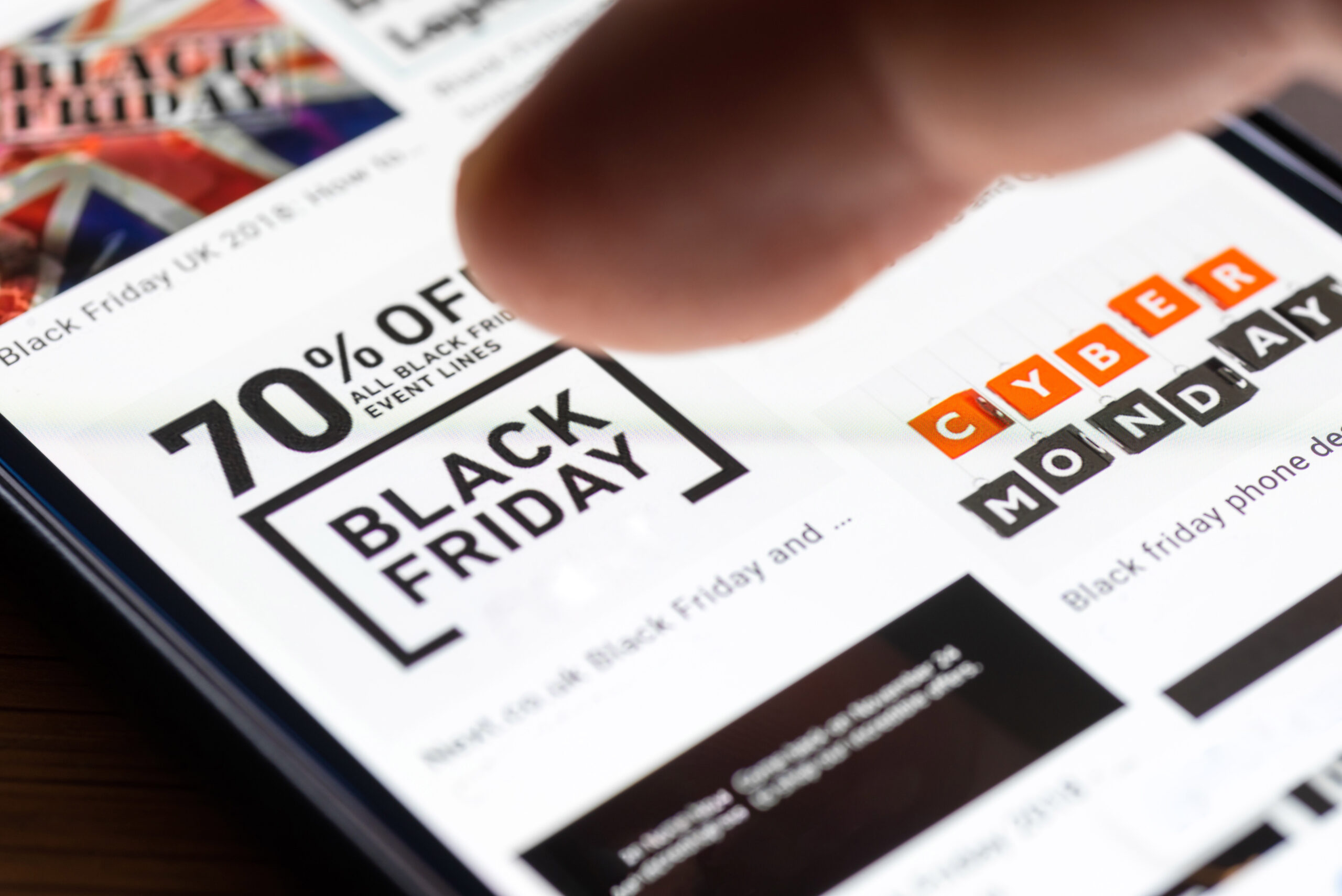
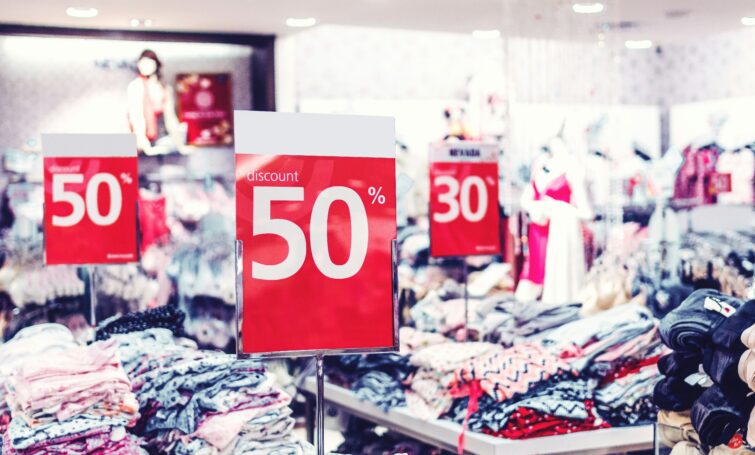
A new 2026 study from XCCommerce reveals that 46.8% of shoppers buy more than planned or switch brands when redeeming rewards — proving promotions are no longer just loyalty perks, but powerful drivers of incremental spend. The research, featured in StreetFight, highlights that nearly 80% of shoppers are most motivated by simple percent- or dollar-off offers, especially when they’re timely, relevant, and easy to redeem.
The message for local and regional retailers? Simplicity, consistency, and seamless execution build trust — and bigger baskets.
Read the full article here:
Writing
Frequently Asked Questions
1. How do retail promotions influence consumer spending and brand loyalty?
Retail promotions do more than encourage repeat purchases. They can drive incremental sales, increase basket sizes, and influence brand switching. According to XCCommerce’s 2026 Retail Promotions Study, 46.8% of shoppers buy more than planned or switch brands when redeeming rewards. Retailers can capitalize on this behavior by delivering relevant, timely incentives that are easy to understand and redeem across shopping channels.
2. What types of retail promotions are most effective with consumers?
Simple percentage-off and dollar-off discounts remain the most effective promotional incentives. XCCommerce’s 2026 study found that 79% of shoppers are most motivated by these straightforward offers. For local and regional retailers, the key is not creating more complicated promotions but delivering personalized, relevant discounts that work consistently online, in-store, and at checkout.
3. How can local retailers increase sales with promotions without sacrificing margins?
Local retailers can protect margins by targeting promotional offers based on customer behavior, purchase history, and shopping preferences rather than relying on broad, storewide discounts. Using a centralized promotions management solution helps retailers control discount eligibility, timing, redemption rules, and offer execution. This approach can improve promotional efficiency, reduce unnecessary discounting, and encourage incremental purchases.
4. Why is consistent promotion execution important for customer loyalty?
Consistent promotion execution builds consumer trust by ensuring advertised discounts and loyalty rewards are applied correctly at checkout. When offers fail, prices differ between channels, or discounts are difficult to redeem, shoppers may lose confidence in the retailer. A unified omnichannel promotions engine helps retailers deliver accurate, seamless incentives across physical stores, ecommerce, and other customer touchpoints.
5. Are email and SMS effective channels for retail promotions?
Yes. XCCommerce’s 2026 Retail Promotions Study identified email and text messaging as leading channels where shoppers notice promotional offers. These owned marketing channels allow retailers to communicate directly with customers, deliver timely discounts, and encourage repeat purchases without relying exclusively on paid advertising. Personalized email and SMS campaigns, combined with ongoing A/B testing, can help retailers improve engagement and promotional performance.
6. How can retailers personalize loyalty rewards while protecting customer privacy?
Retailers should prioritize transparency, customer consent, data minimization, and strong security practices. Customers should understand what information is collected, how it is used, and how to manage their preferences. By using only the data necessary to deliver meaningful incentives, retailers can personalize loyalty rewards while maintaining consumer trust and respecting privacy.
7. What are the most common mistakes retailers make with loyalty programs?
Common loyalty program mistakes include offering generic rewards, relying too heavily on points and discounts, failing to use customer data effectively, and delivering inconsistent experiences across channels. Successful retail loyalty programs focus on meaningful customer value, relevant incentives, personalized engagement, and seamless reward redemption throughout the shopping journey.
8. How is artificial intelligence changing retail promotions and loyalty programs?
Artificial intelligence is helping retailers analyze shopping behavior, predict purchasing patterns, personalize incentives, and optimize promotional strategies. AI can also help consumers discover and compare offers. For retailers, the greatest opportunity is using AI to make promotions more relevant, convenient, and efficient without compromising privacy or customer trust.
9. How can retailers communicate value beyond offering lower prices?
Retailers can communicate value by highlighting product quality, freshness, local sourcing, convenience, and relevance alongside promotional savings. In-store signage, shelf tags, digital communications, and checkout messaging should reinforce a consistent value proposition. When the advertised price, promotional incentive, and final checkout total align, retailers strengthen consumer confidence and brand loyalty.
10. How does an omnichannel promotions engine improve retail loyalty and customer engagement?
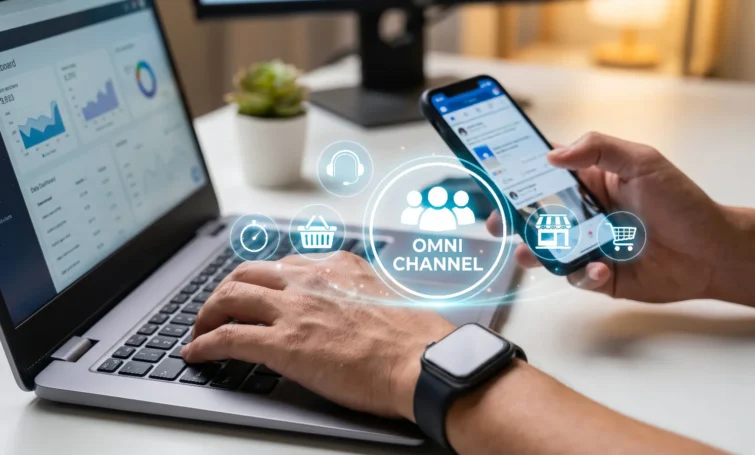
An omnichannel promotions engine enables retailers to create, manage, and execute promotional incentives consistently across physical stores, ecommerce, mobile, and other shopping channels. Solutions such as XCCommerce’s Retail Incentives Engine help retailers manage complex promotional rules while delivering simple, seamless customer experiences. By ensuring offers are accurate, relevant, and redeemable wherever customers shop, retailers can improve promotional effectiveness, protect margins, and strengthen long-term customer relationships.