Consumers today are more deal-driven, more informed, and increasingly using AI to find the best offers. According to new research from XCCommerce, over 70% of shoppers are exploring AI tools for deal discovery, shifting control away from retailers and forcing a rethink of traditional promotion strategies.
This shift means promotions can no longer be generic or siloed. Shoppers expect personalized, relevant offers that match their needs—not just the lowest price. In fact, most consumers value offers that feel tailored to them and are more likely to stay loyal when incentives align with their preferences.
At the same time, consistency across channels is critical. Whether online, in-app, or in-store, promotions must work seamlessly. Inconsistent pricing or failed discounts can quickly erode trust, with many shoppers willing to abandon a retailer entirely after a poor experience.
Ultimately, promotions remain one of the most powerful drivers of revenue and loyalty—but only when they are accurate, personalized, and executed consistently at scale. Retailers that fail to adapt risk losing both margin and customer trust in an AI-driven shopping landscape.
👉 View full article here
Frequently Asked Questions (FAQ)
1. How is AI changing the way consumers find retail deals?
AI-powered search tools are becoming an important channel for retail deal discovery. According to XCCommerce’s U.S. consumer survey, more than 70% of shoppers are exploring AI tools to find better deals, and approximately one-third are already actively using AI to discover promotions. Retailers must ensure their offers are accurate, consistent, and accessible across channels to remain competitive in AI-driven shopping experiences.
2. Why are personalized promotions important to today’s shoppers?
Personalized promotions help retailers deliver relevant offers based on individual shopping preferences, purchasing behavior, and needs. XCCommerce’s research found that 75% of consumers consider personalized offers important, while 80% prioritize a quality deal over simply getting the lowest price. Relevant incentives can improve engagement, increase conversions, and strengthen customer loyalty.
3. How do inconsistent promotions affect customer loyalty?
Inconsistent pricing and promotions can significantly damage consumer trust. XCCommerce’s survey found that 60% of shoppers will abandon a retailer entirely if they encounter inconsistent pricing across channels. Retailers need centralized promotion management to ensure discounts, coupons, and loyalty rewards work accurately across physical stores, ecommerce websites, and mobile applications.
4. What is omnichannel promotion management?
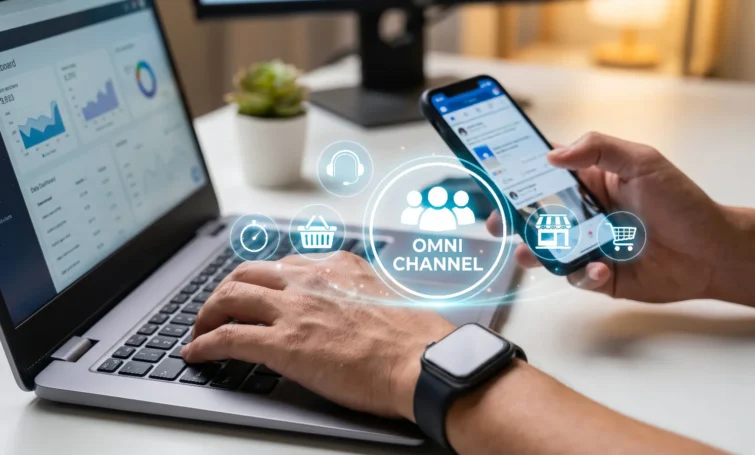
Omnichannel promotion management is the process of creating, managing, and executing consistent promotional offers across all retail channels, including stores, ecommerce, mobile apps, and third-party marketplaces. A unified promotions platform helps retailers eliminate disconnected systems, improve offer accuracy, and deliver seamless shopping experiences regardless of where customers discover or redeem incentives.
5. How do retail promotions influence purchasing decisions?
Retail promotions encourage consumers to purchase additional products, explore new brands, and remain loyal to retailers. XCCommerce’s consumer research found that nearly half of shoppers buy more than planned or try new brands because of incentives. When promotions are relevant, personalized, and accurately executed, they can increase basket sizes, improve conversion rates, and support long-term customer relationships.
6. What role does AI play in personalized retail promotions?
AI can help retailers understand consumer preferences, identify shopping patterns, and deliver more relevant incentives. XCCommerce’s research found that 52% of consumers support retailers using AI to improve shopping experiences, while 42% are open to AI when they can control their preferences. Combining AI-driven personalization with accurate promotion execution helps retailers deliver more meaningful offers.
7. How can retailers make promotions discoverable through AI search?
Retailers can improve AI deal discovery by maintaining structured, accurate, and consistent promotional information across digital channels. Offers should clearly communicate eligibility requirements, expiration dates, discount values, and redemption conditions. Centralized promotion management helps ensure that AI-powered shopping assistants can access reliable offer information and that consumers receive the promised discounts at checkout.
8. How can retailers improve promotion effectiveness while protecting margins?
Retailers can improve promotion performance by replacing broad, untargeted discounts with personalized incentives based on shopper behavior and purchase intent. Using a centralized promotions platform helps retailers control discount eligibility, prevent unintended offer stacking, and maintain consistency across channels. This approach can reduce unnecessary discounting while supporting higher conversions, stronger loyalty, and more profitable growth.
9. What do consumers value most in retail promotions?
Consumers increasingly prioritize relevance, convenience, and reliability over the lowest advertised price. XCCommerce’s research found that 83% of shoppers say valuable savings or rewards keep them loyal over time. Consumers also value promotions that apply to products they actually need and work consistently across every shopping channel.
10. How does XCCommerce help retailers deliver consistent, personalized promotions?
XCCommerce provides an enterprise promotions and incentives platform that helps retailers centrally manage and execute complex offers across physical and digital channels. By supporting consistent promotion execution, flexible offer rules, and omnichannel integration, XCCommerce helps retailers deliver relevant incentives, protect margins, and build customer loyalty.
Learn more at XCCommerce.