Holiday sales are on track to pass $1 trillion for the first time. Over two months, November and December 2026, data from the National Retail Federation (NRF) projects U.S. retail sales will grow 4.2% to $1.013 trillion, up from $972 billion in 2025.
Dating back to 2010, NRF has forecasted a steady, year-over-year incline in holiday sales (see chart), demonstrating how important these two months are to a retailer’s overall business. Sales of this magnitude also mean record volumes of incentives and promotions transactions could hit in-store registers and online checkouts.
Is your operation ready? Is your promotions engine reliable enough to handle the holiday workload?
How a Promotions Engine Handles Holiday Stress
In 2025, XCCommerce processed roughly 1.2 billion transactions for its retailers across fashion, drug, sporting goods and more. Each transaction introduces its own set of complexities, including the shopper’s payment method, loyalty status and the rules that determine how multiple offers can be stacked and applied to a single purchase.
Now drop that complexity squarely inside the eye of the holiday storm.
Shoppers expect promotions to apply instantly, whether they’re buying online or in-store, and without friction. They also closely monitor holiday deals across stores down to the penny. It’s a heated time for promotions and this is what a tested promotions engine looks like:
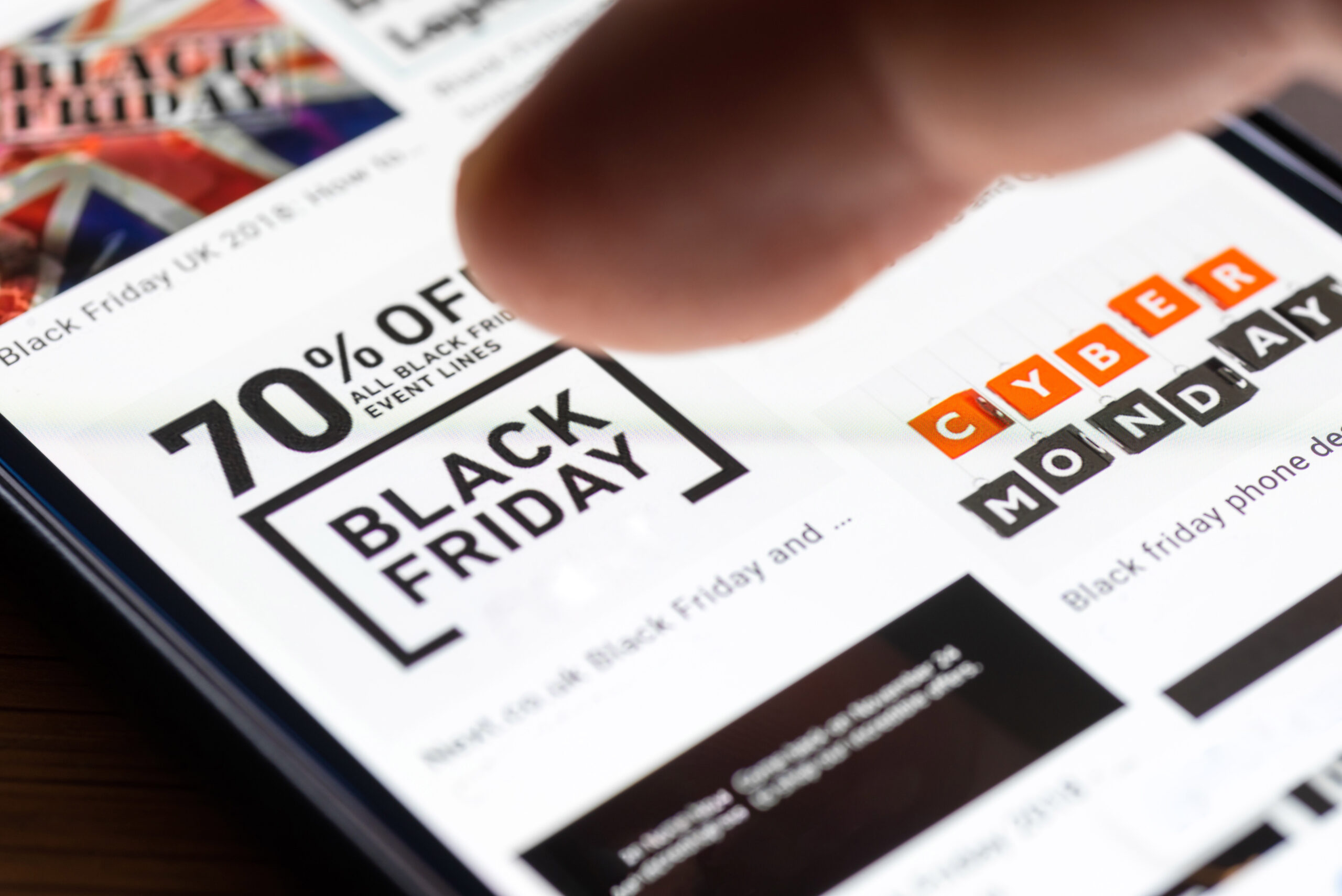
Example 1: Processing a Big Basket Buy on Black Friday
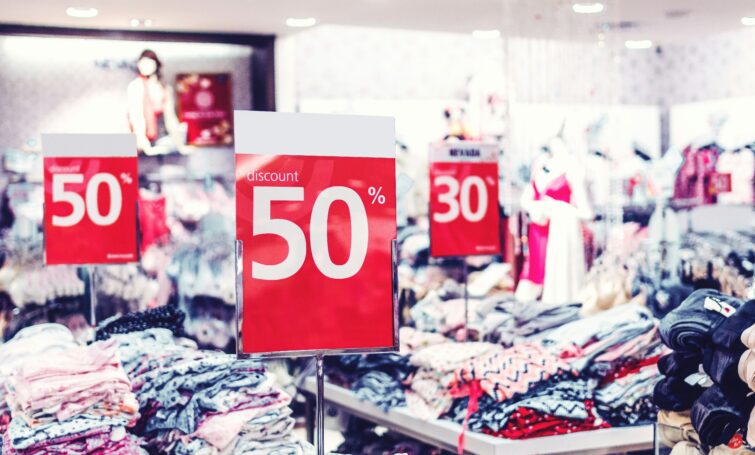
A shopper at a specialty apparel chain fills their cart on Black Friday morning, adding two sweaters to take advantage of an active deal for “buy one, get one 50% off.” They also purchase a coat for 30% off, using a mobile app reward, and buy a pair of boots at full price. They also want to use a gift card to pay for part of the order.
In this scenario, the retailer’s promotions engine is called or put into action each time an item gets scanned, when the loyalty ID is applied, when the mobile reward is added in, and again when the gift card and credit card are splitting tender. The engine processes transactions just like this in milliseconds at every lane in every store as well as online.
If the promotion engine slows, lines back up. If it applies offers inaccurately or requires manual intervention by the cashier, the retailer either gives away margin or overcharges a shopper who knows exactly what the promo promised, and ultimately leaves unhappy with the experience.
Checkout is the culmination of the customer journey, making it one of the most influential moments in shaping brand perception. Even small points of friction can undermine an otherwise positive experience, leading customers to think twice before returning to the retailer.
Example 2: Navigating Cross-Channel Offers
On Cyber Monday, a drugstore emails loyalty members a personalized offer: 25% off holiday gift sets, plus bonus points on orders over $50. Immediately, one member uses both offers for an in-app purchase and then picks their purchase up inside the store that same day. Days later, another shopper goes to the store and asks a cashier to apply the offers to their purchase at checkout. In January, a third shopper returns one gift set from a multi-item order.
Each offer must behave the same way for each transaction. The discount and points follow the shopper from app to store, the cashier sees the same offer the email promised, and the return recalculates the discount and points on what’s left in the basket instead of refunding full price.
Multiply those scenarios by millions of members over a six-week season and small inconsistencies add up quickly.
Why Promotions Engines Need To Be Tough
If a retailer’s promotions strategies and systems aren’t built to handle the volume of holiday transactions, simply put, sales are at risk. Worse, so is consumer loyalty.
According to XCCommerce’s 2026 Retail Promotions Shopper Study, 83% of consumers say valuable savings or rewards keep them loyal to a retailer. The flip side: 60% will abandon a retailer entirely if they encounter inconsistent pricing across channels.
The holidays bring more offers, more channels and more shoppers than any other time of year. There is an obvious tension and need to ensure offers succeed at checkout.
Tips Toward Building a Strong, Reliable Promotions Engine
To withstand the heavy load of transactions during a $1 trillion holiday season, follow these three tips.
- Pressure-test the promotions engine. Don’t go into the holidays blind. Use earlier peaks like back-to-school or Halloween to run complex offers and measure how the engine performs when it’s called several times per transaction. These pre-holiday seasons also have shoppers with large baskets and multiple offers and can provide a testing ground to fix any slowdowns before holiday peak volumes hit.
- Set stacking guardrails. Define clear rules for which offers can combine, in what order they apply and where they’re valid, across online, mobile, social and in-store. Build those rules into the engine rather than relying on store associates or manual reviews to catch overlaps. This way margin stays protected when volume spikes.
- Define personalization. Decide up front how holiday offers will be personalized, whether by loyalty tier, purchase history or channel, and set limits on how far those offers can go. Offers feel custom to the shopper while the retailer stays in control of the discount.
Get Ready for Record-Level Holiday Sales
A $1 trillion holiday season is a milestone for retail, and it’s also a stress test for a retailer’s promotions engines. But view it as an opportunity: Every transaction is a chance to reinforce loyalty and every offer that runs smoothly secures a shopper for life.
Retailers that unify how incentives are managed and executed, and test them before the holiday rush, can handle peak volume with confidence. They’re built holiday tough.
Want to see how a unified incentives engine handles holiday-scale volume? Request a demo.
Frequently Asked Questions About Holiday Promotions Engines
1. What is a retail promotions engine?
A retail promotions engine is technology that calculates, validates, and executes discounts, coupons, loyalty rewards, and personalized incentives across retail channels. An enterprise promotions engine enables retailers to manage complex promotional rules, apply multiple offers accurately, and deliver consistent pricing across in-store POS systems, ecommerce platforms, and mobile applications.
2. Why is a reliable promotions engine critical during the holiday shopping season?
A reliable promotions engine helps retailers manage high transaction volumes during peak shopping periods such as Black Friday, Cyber Monday, and the December holiday rush. As U.S. holiday retail sales are projected to exceed $1 trillion in 2026, retailers need promotions technology that processes complex discounts quickly, prevents checkout delays, protects margins, and delivers consistent customer experiences.
3. How can retailers prevent promotion failures during Black Friday and Cyber Monday?
Retailers can prevent holiday promotion failures by load-testing their promotions engines, validating complex offer combinations, establishing discount stacking rules, and ensuring consistent execution across all sales channels. Testing high-volume transaction scenarios before peak shopping periods helps identify performance bottlenecks, pricing inconsistencies, and potential checkout failures.
4. How does an omnichannel promotions engine improve the customer experience?
An omnichannel promotions engine ensures that discounts, coupons, and loyalty rewards are applied consistently whether customers shop online, in-store, or through mobile applications. By unifying promotional execution across channels, retailers can eliminate pricing discrepancies, reduce checkout friction, and deliver seamless shopping experiences that strengthen customer loyalty.
5. What happens when retail promotions fail at checkout?
When retail promotions fail at checkout, retailers risk abandoned purchases, lost revenue, reduced margins, and damaged customer loyalty. Incorrect discounts, slow transaction processing, and inconsistent pricing can frustrate shoppers at the final stage of their buying journey. According to XCCommerce’s 2026 Retail Promotions Shopper Study, 60% of consumers say they would abandon a retailer entirely after experiencing inconsistent pricing across channels.
6. How can retailers protect profit margins while offering holiday discounts?
Retailers can protect profit margins by using a centralized promotions engine to enforce discount stacking rules, eligibility requirements, offer exclusions, and redemption limits. Automated promotional controls help prevent unintended discount combinations, reduce manual overrides, and ensure personalized incentives are executed according to predefined business rules.
7. Can a promotions engine handle personalized offers and loyalty rewards at scale?
Yes. An enterprise-grade promotions engine can execute personalized discounts, loyalty rewards, and targeted incentives across millions of retail transactions, provided it is designed and tested for the required scale. It evaluates customer eligibility, loyalty status, purchase history, and promotional rules in real time to deliver accurate offers while maintaining consistent execution across channels.
8. How does XCCommerce help retailers manage peak holiday transaction volumes?
XCCommerce provides an enterprise omnichannel incentives engine designed to execute complex promotions, discounts, and loyalty incentives across physical and digital retail channels. In 2025, XCCommerce processed approximately 1.2 billion transactions for retailers across multiple industries. Its unified incentives technology helps retailers manage promotional complexity, maintain pricing consistency, and deliver reliable checkout experiences during peak shopping periods.
Learn more about XCCommerce’s omnichannel promotions solutions or request a demo.